
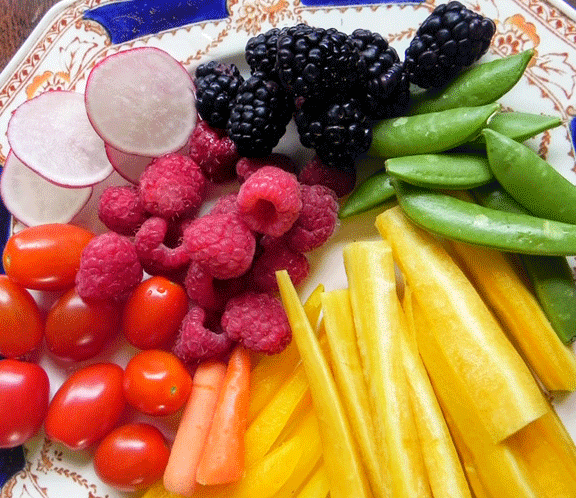
Fresh vegetables and fruits: an easy step toward healthier eating
By Kathryn McLean
A friend recently told me she feels her family should be eating more vegetables and asked for ideas on how to incorporate them into their regular meals. They’re open to increasing their intake in any form: cooked or raw, in salads, packed into lunches, or added to everyday dishes.
Their family enjoys vegetables, but they haven’t made a habit of including them in their daily meals. I’ve written about this topic before, and here are some of the suggestions I shared with them.
One simple strategy is to start by buying more fresh vegetables. Keeping them on hand makes it easier to incorporate them into meals as you cook. If there’s a head of broccoli in the fridge, for example, it’s easy to wash, chop and steam it while preparing chicken and rice.
If there’s no broccoli in the fridge, you’re unlikely to run out and buy some just as you’re preparing dinner and realize a vegetable side would be a good addition. Keeping a wider variety of vegetables on hand makes it more likely you’ll prepare and eat them simply because you don’t want to waste them, nor the money you spent.
If you buy a zucchini, a couple peppers and a pack of mushrooms and keep seeing them in the fridge, you’ll feel obligated to use them before they go bad.
Another trick that works is starting with what you like. Choose a vegetable, or vegetable dish, that your family likes and prepare it more often. For example, offer steamed peas with butter and black pepper twice a week instead of once.
Other vegetable options that work well for dinner and the next day’s lunch include squash soup and a tomato and cucumber salad, which can also be added to sandwiches as fresh slices.
Another way to enjoy more vegetables is to stop saving them for special occasions like Thanksgiving or Christmas. Dishes such as Brussels sprouts, mashed turnip, and butternut or acorn squash can be enjoyed just as easily on ordinary days.
Also try preparing a vegetable you already like in a new or different way. When you like a new variation on an old favourite, it might open a door to serving it more often. And eating vegetables more often is similar to eating more vegetables.
Try roasting vegetables such as broccoli instead of steaming them to bring out a deeper flavour. Bell peppers, for example, can be chopped into salads, served raw on a vegetable platter with or without dip, or roasted and puréed into soup.
Roasting several peppers at once allows you to use them throughout the week. Sprinkle them with fresh herbs for a warm side dish, stir them into fried rice or noodle dishes, add them to omelettes or sandwiches, toss them into pasta, or combine them with feta cheese and cucumber for a simple salad.
In lieu of a lettuce salad, try to make a raw vegetable plate instead. Mix and match raw vegetables that you enjoy and eat them alongside your lunch and dinner.
I’ve found that when people talk about trying to eat more vegetables, the first step is having more vegetables at home. Start small, with a couple more veggies in your shopping cart. That way you won’t feel overwhelmed, or wasteful if you can’t use everything you’ve bought.
If you try a new vegetable dish and it isn’t to your taste, don’t give up on vegetables altogether — just try something different!